JOLLYON CARTER
RECENT WORKS
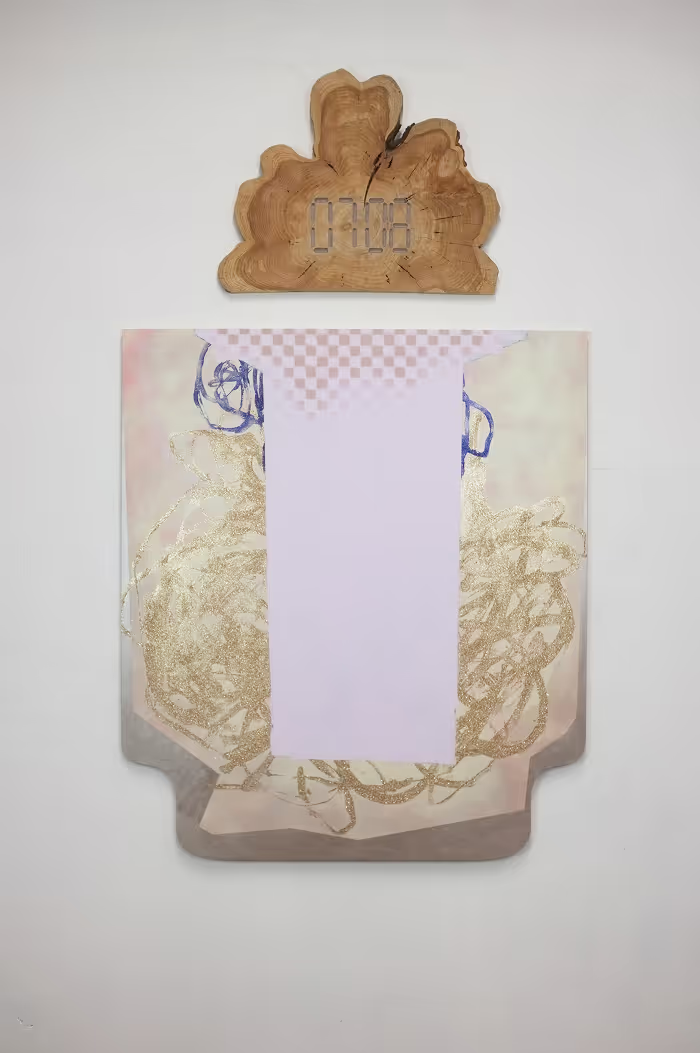
Monday
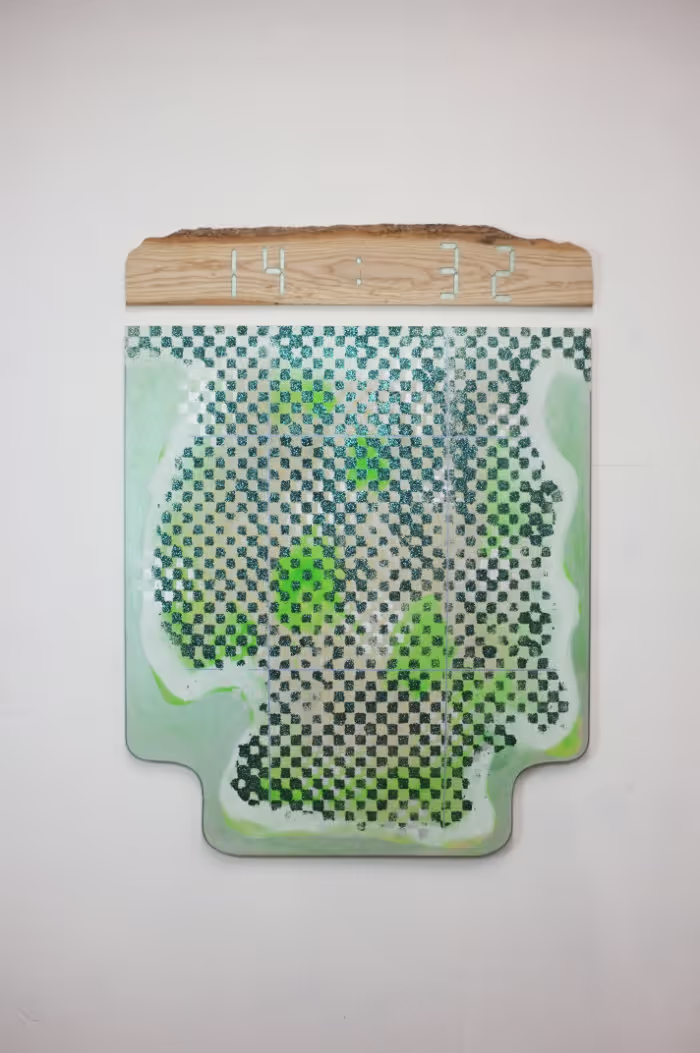
Tuesday
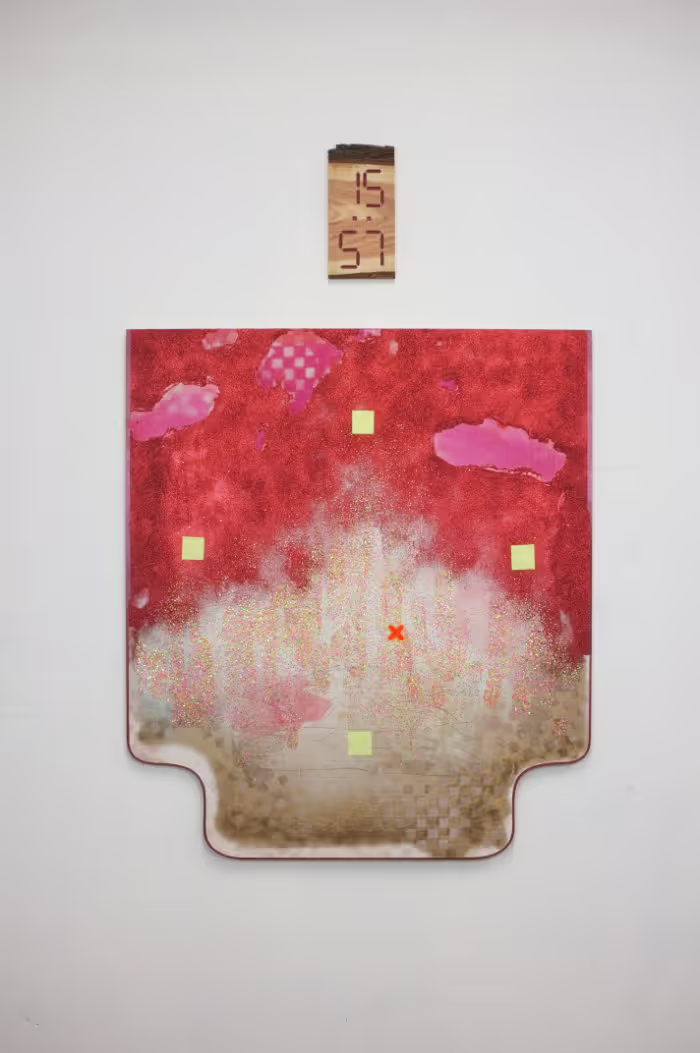
Wednesday
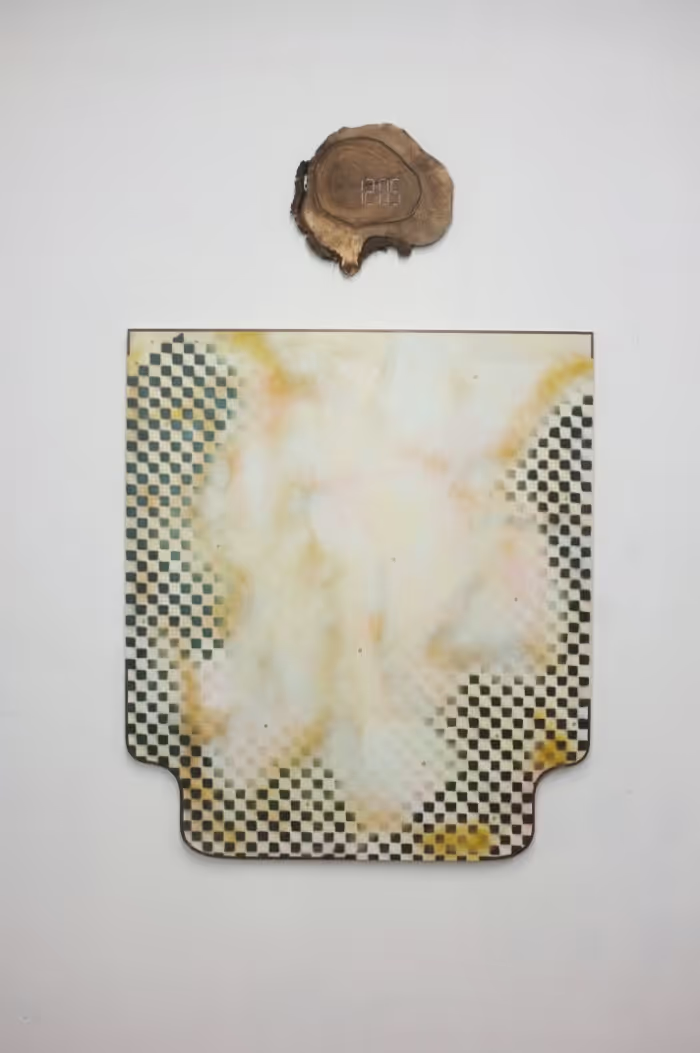
Thursday
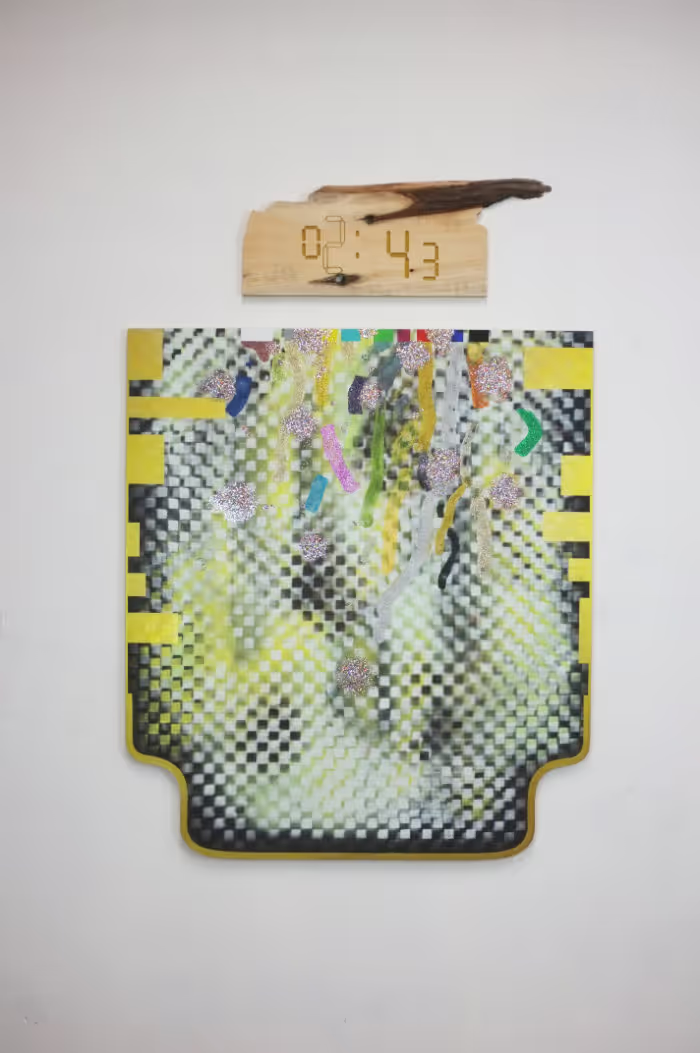
Friday
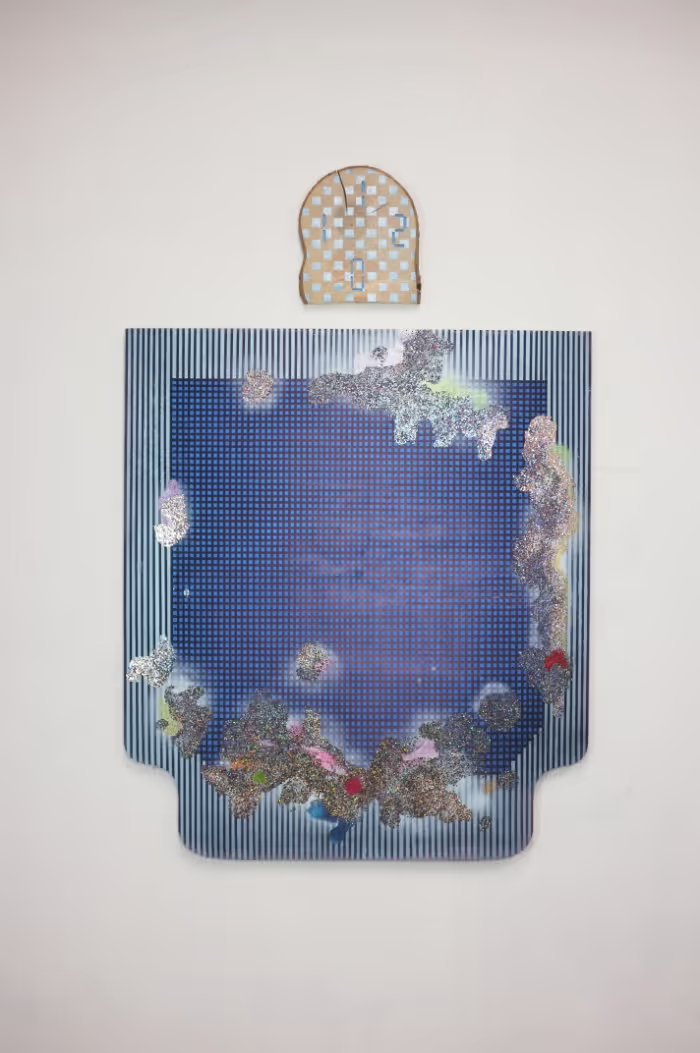
Saturday
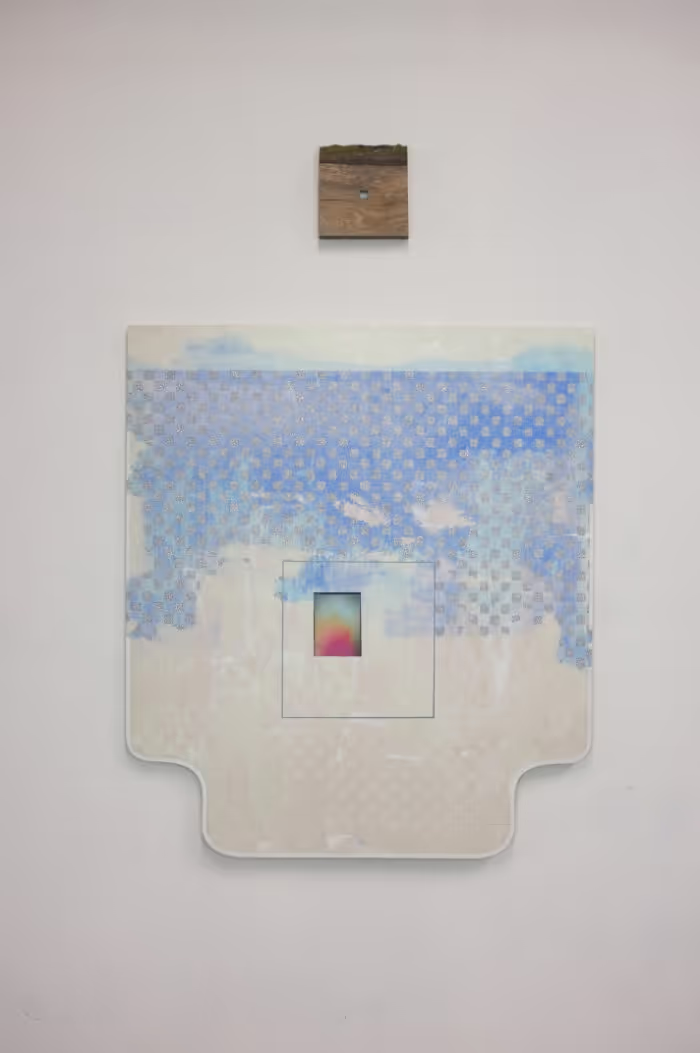
Sunday
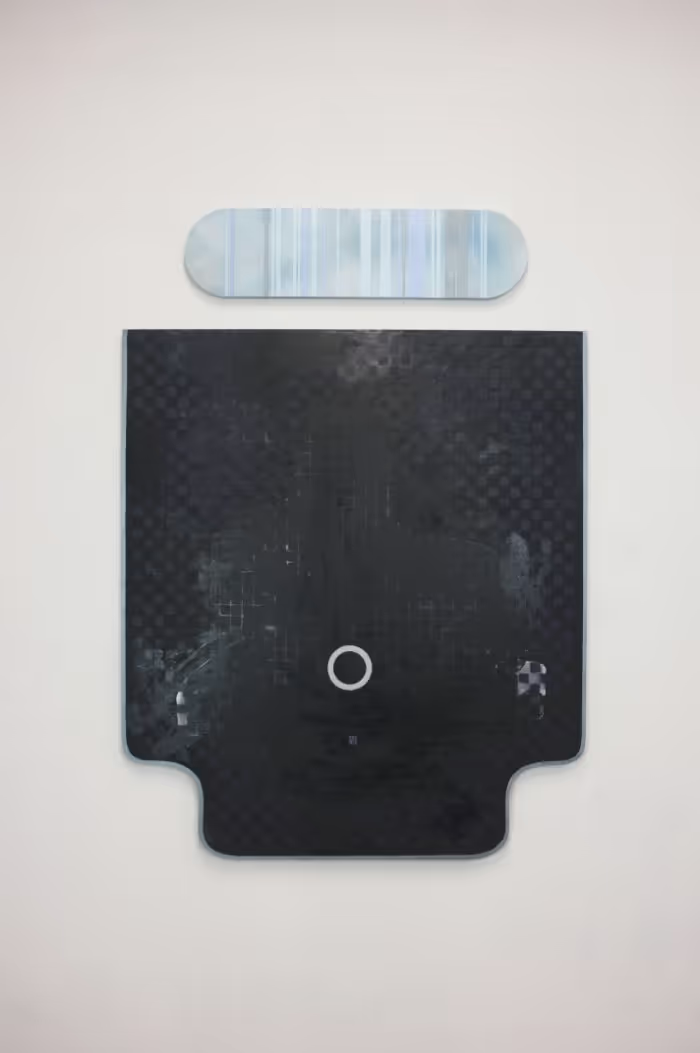
Off
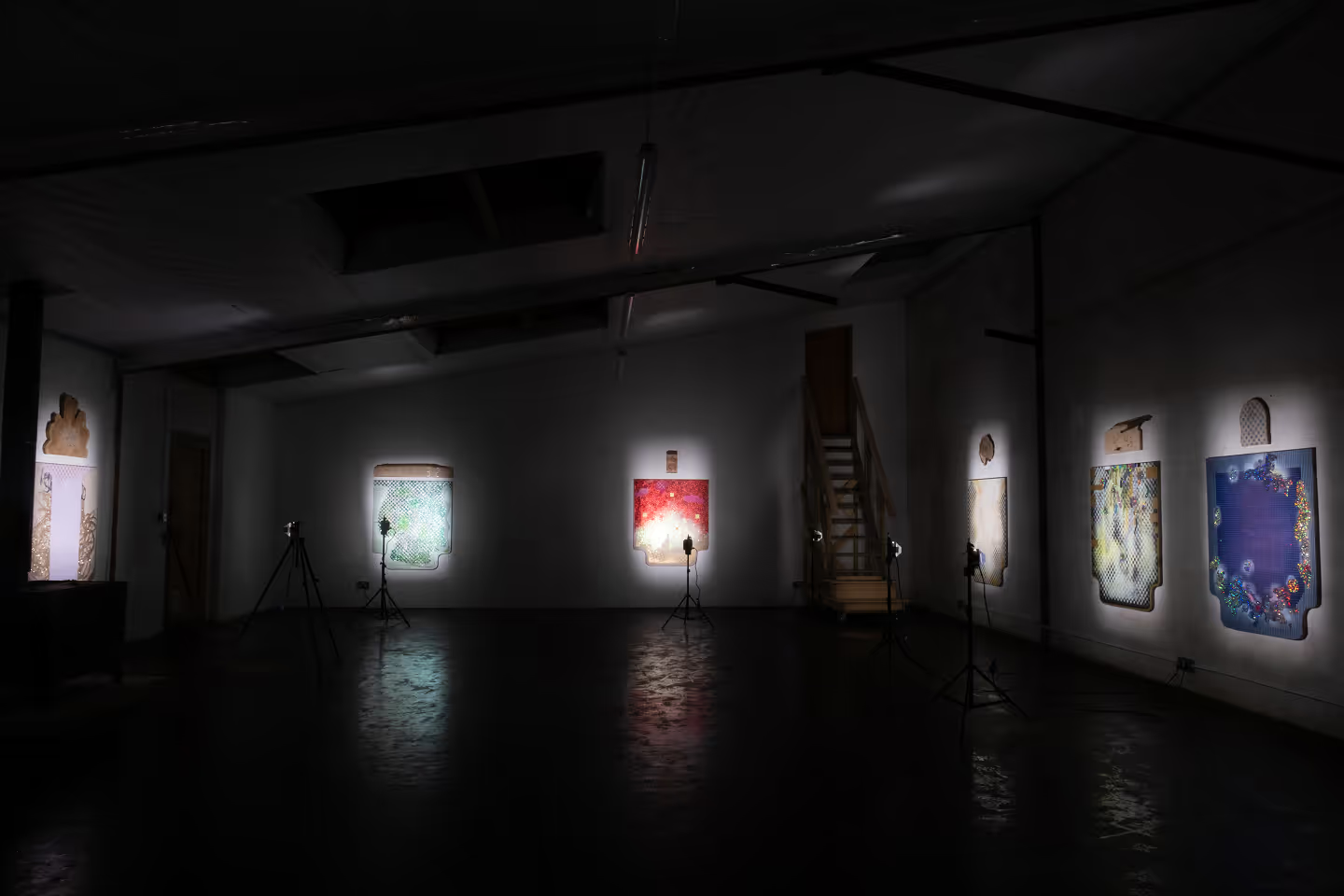
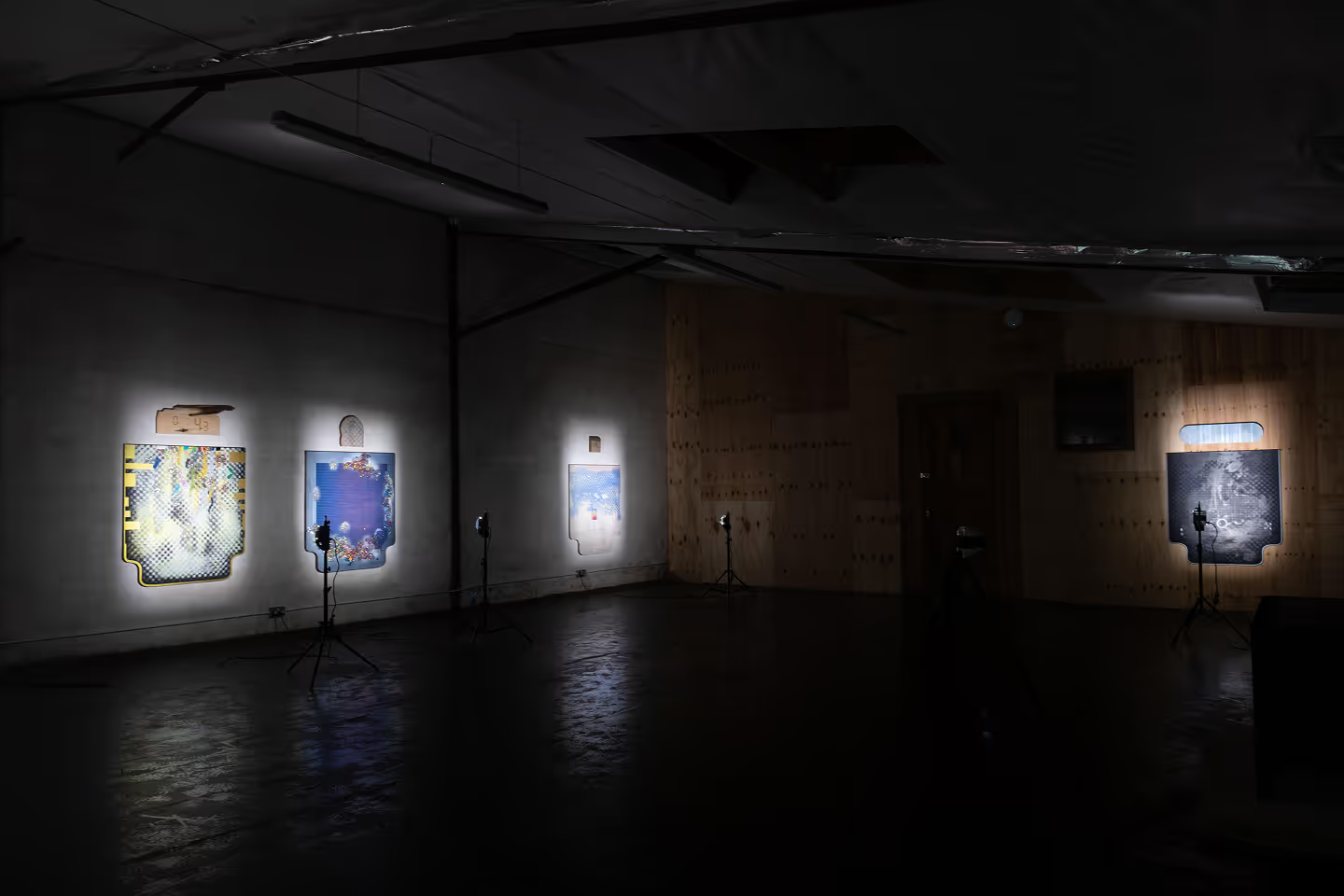
THE DEVICE : AN EIGHT PIECE INSTALL, CHILCOMBE, 2026
In an era when images circulate endlessly through screens, The Device asks how painting can reckon with the objects that mediate our attention, our gestures, and even our sense of time.
In September 2024, I put on a show titled You Canʼt Park Here. At its centre, The Pursuit, a large painting in the shape of a mobile phone, operated within the installation like a crucifix, an object of devotion and strain tethering viewers to everyday reality while exerting a constant pull. I had been using glitter like pixels in earlier work, a material gesture that sharpened a broader thought: that the smartphone has become a devotional object in contemporary life, a site where image, touch, and attention converge. We hold it daily. We take it everywhere. We turn to it with questions, pay into it, and guard it closely.
Each day we inhabit two realities: the manufactured, plastic one we carry in our hands and the given, earthly one that surrounds us. Painting offers a way to consider the overlap between these spaces, the seduction of the screenʼs smooth surface and the grounded materiality of the world.
In this series, religious iconography intersects with the visual language of digital interfaces, collapsing the sacred and the everyday into a single image. The phoneʼs pull works like a ritual: repeated gestures of swiping and scrolling, the dopamine hit of each icon, the sense of entering a controlled space beyond the physical.
Above a crucifix, a wooden sign reads INRI—Iesus Nazarenus, Rex Iudaeorum (“Jesus of Nazareth, King of the Jews”). Historically, both a charge and a taunt. In this work I carry this idea of the sign, echoing how systems of authority, spiritual, political, technological, can be inscribed into the image, shaping its reception.
The series comprises eight paintings, one for each day of the week, plus one titled Off. They present the device as a constant, 24/7 presence, and capture the restless impulse to restore its glow when absent. Above each day is a time stamp: part mood, part coded instruction, marking not only the hour but our perception of it. In the deviceʼs realm, time is elastic, folding in on itself and unravelling according to the logics of the screen.
The device operates as both tool and authority, structuring our rhythms and extracting attention as a commodity. Even in its absence, it defines the space around it, not only through the images it delivers, but through the habitual gestures, impulses, and decisions it quietly governs.
.
.
.
TEXT BY ÜLGEN SEMERCI